
Harness the Sun: Design, Benefits, and Practical Uses of Solar Control Panels
Solar control panels are reshaping how industries manage energy, but not all solutions meet real operational demands. You need panels designed to adapt to your facility’s unique energy flow and sustainability targets. This post explains how customizable solar panels improve industrial energy efficiency and deliver lasting benefits, guiding your next step in renewable energy systems. Explore how solar panels offer creative solutions.
Design of Solar Control Panels
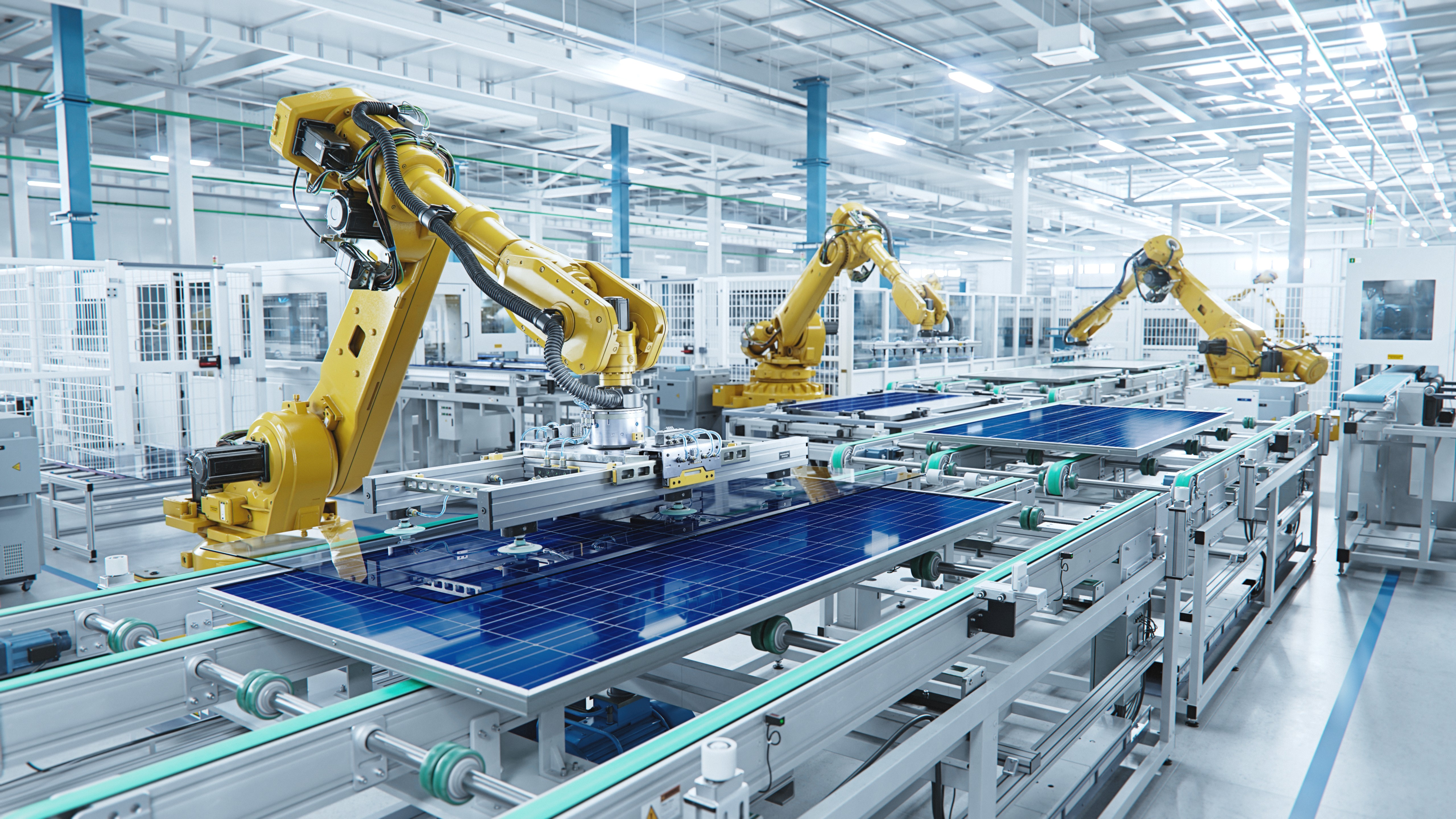
The design of solar control panels is crucial for meeting your unique energy needs. Let’s delve into the key features and materials that set these panels apart from conventional options.
Key Features and Customization
You might wonder how these panels can be tailored to your specific needs. The answer lies in their customizable features. Customizable solar panels allow you to adjust voltage and size, ensuring a perfect fit for your facility. These panels come with advanced monitoring systems, giving you real-time data on energy production and consumption. This not only improves your operational efficiency but also helps in pinpointing areas for further enhancement.
Additionally, some panels integrate smart technology, enabling remote access and control. You can modify panel settings from any location, making them a flexible choice for modern industries. Whether you’re looking to power a small facility or a large industrial plant, these panels can be designed to match your exact requirements.
Materials and Construction
The materials used in constructing solar panels are pivotal to their performance and longevity. High-quality materials such as monocrystalline silicon and tempered glass are commonly employed. These materials are not only durable but also effective in capturing sunlight, even in low-light conditions. The outer casing is often made of robust aluminum, which protects the panels from harsh weather while maintaining a lightweight structure.
Moreover, the layered construction enhances energy absorption and reduces heat loss. This design is particularly beneficial in regions with fluctuating temperatures, ensuring consistent power output. By investing in panels made with top-notch materials, you ensure that your energy system remains efficient for years to come.
Benefits of Solar Control Panels
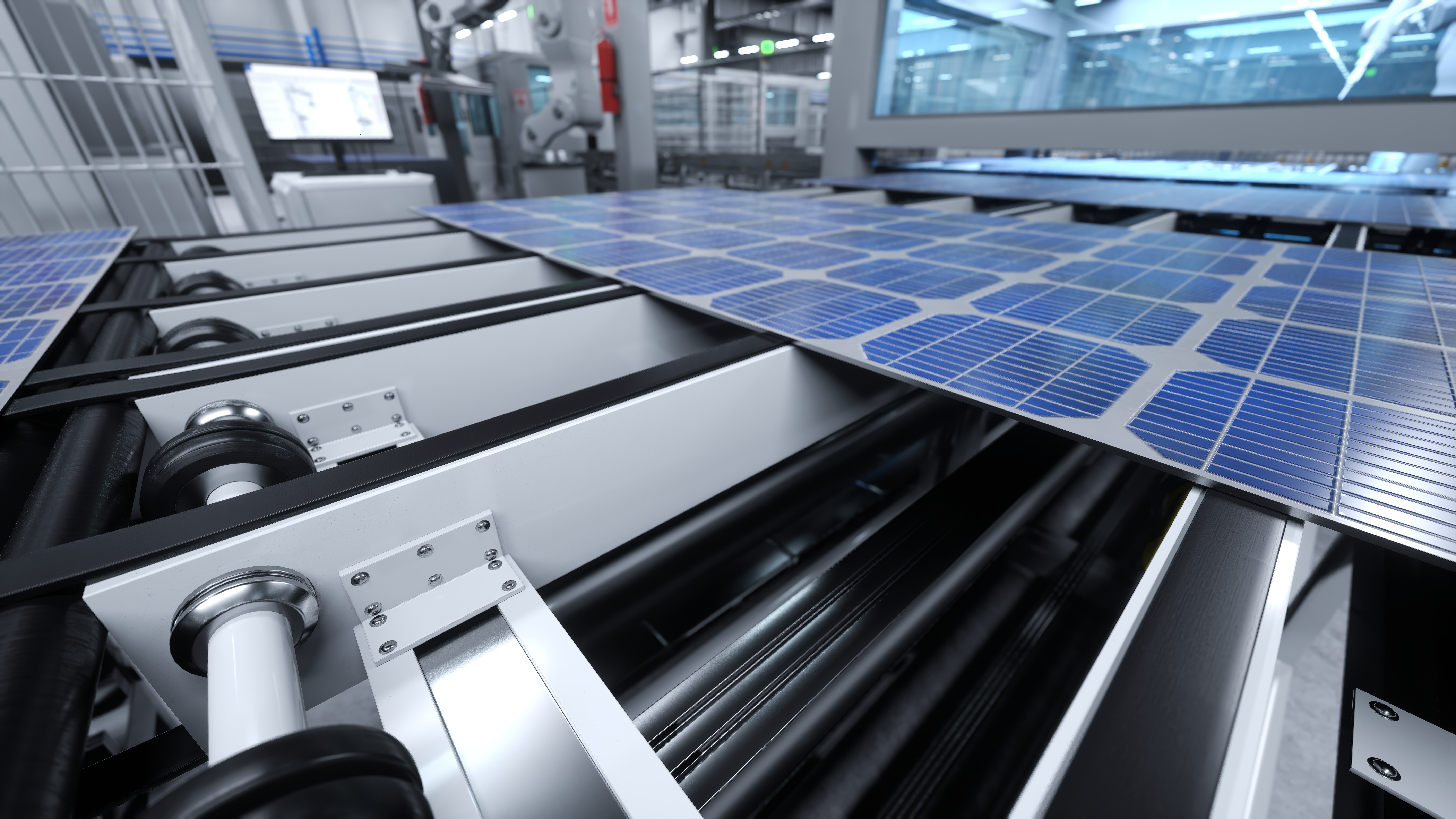
Solar control panels offer numerous benefits that can transform how industries manage energy. Here, we explore how these panels enhance efficiency and contribute to sustainability.
Enhancing Industrial Energy Efficiency
Energy efficiency is a top priority for industries aiming to reduce costs and carbon footprint. Solar control panels play a critical role in achieving these goals. By converting sunlight into electricity, these panels can significantly cut down your reliance on traditional power sources. This leads to substantial savings on energy bills, allowing you to allocate resources to other areas of your business.
Furthermore, the ability to generate power on-site reduces transmission losses, enhancing overall efficiency. A study showed that facilities using solar panels reported up to 30% reduction in energy costs, a figure that underscores the panels’ potential for savings.
Contributing to Sustainable Energy Solutions
Incorporating solar panels into your energy strategy is a step toward sustainability. By harnessing solar energy, you decrease your dependence on fossil fuels, helping to reduce greenhouse gas emissions. This not only benefits the environment but also aligns your business with global sustainability standards.
Additionally, solar panels offer a reliable source of clean energy. They require minimal maintenance and have a lifespan of over 25 years, providing a long-term solution that contributes to energy security. For companies keen on sustainability, solar panels are a smart investment that pays dividends both financially and environmentally.
Practical Uses in Industry
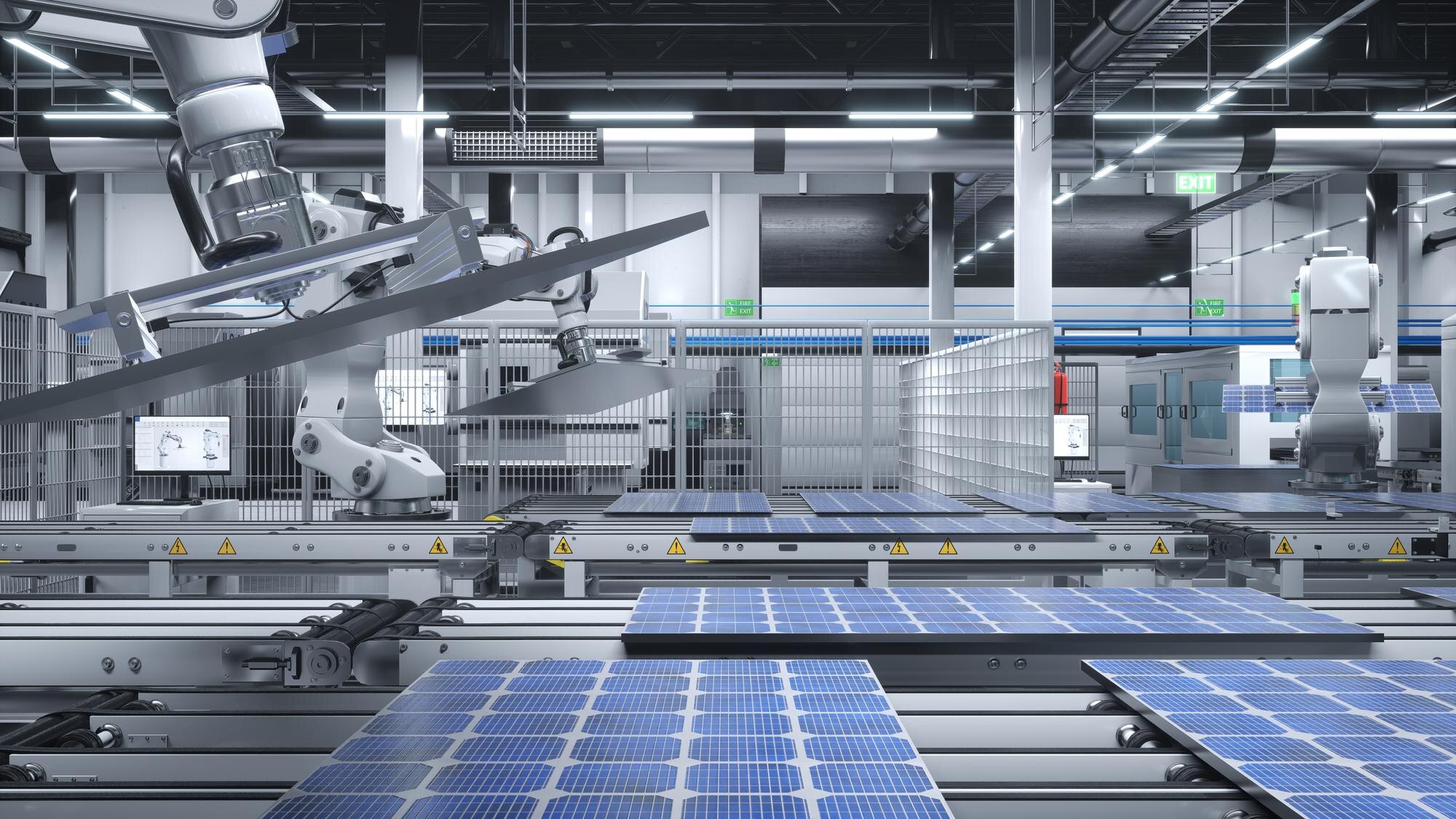
Understanding the practical applications of solar control panels can help you make informed decisions about your energy needs. Let’s explore how these panels are used in different industrial contexts.
Applications in Renewable Energy Systems
Solar panels are a cornerstone of renewable energy systems. They can be integrated with other technologies to create a comprehensive energy solution for your facility. For example, pairing solar panels with battery storage systems allows for energy use during non-sunny periods. This ensures a continuous power supply, essential for industries with around-the-clock operations.
Incorporating solar panels into your existing infrastructure is also straightforward. They can be mounted on rooftops, carports, or ground-mounted arrays, making them versatile for any industrial layout. Discover additional applications of solar energy that might suit your industry.
Customizable Solar Panels for Various Needs
Every industry has unique energy demands, and customizable solar panels are designed to meet these diverse needs. Whether you need panels for a small-scale operation or a large industrial complex, customization ensures that every watt of power is optimized.
For industries with specific energy targets, panels can be adjusted to maximize output during peak demand periods. This flexibility is crucial for industries such as manufacturing, where energy use patterns can vary significantly. By choosing customizable panels, you gain a tailored solution that aligns perfectly with your operational objectives. For further insights on designing user-friendly solar systems, visit this resource.
In summary, solar control panels offer a robust solution for industries aiming to enhance efficiency and sustainability. By investing in these panels, you not only improve energy management but also position your business as a leader in sustainability. Now’s the time to harness the power of the sun and drive your industry forward.